
About Roots to Rise

Root Down to Rise Up

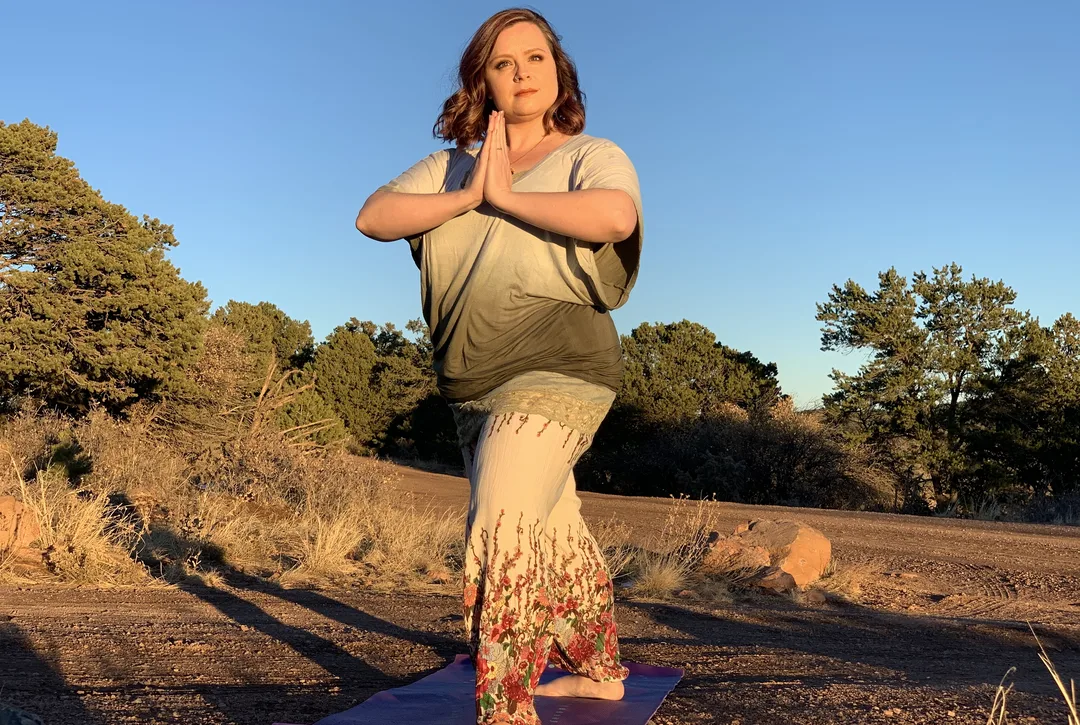
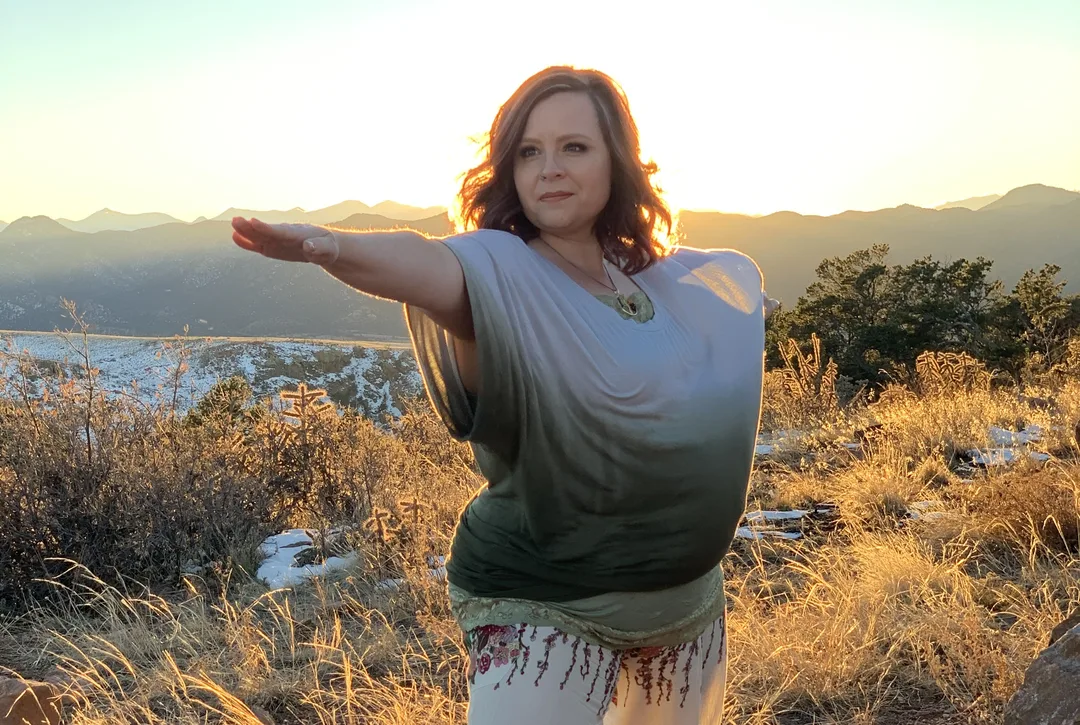
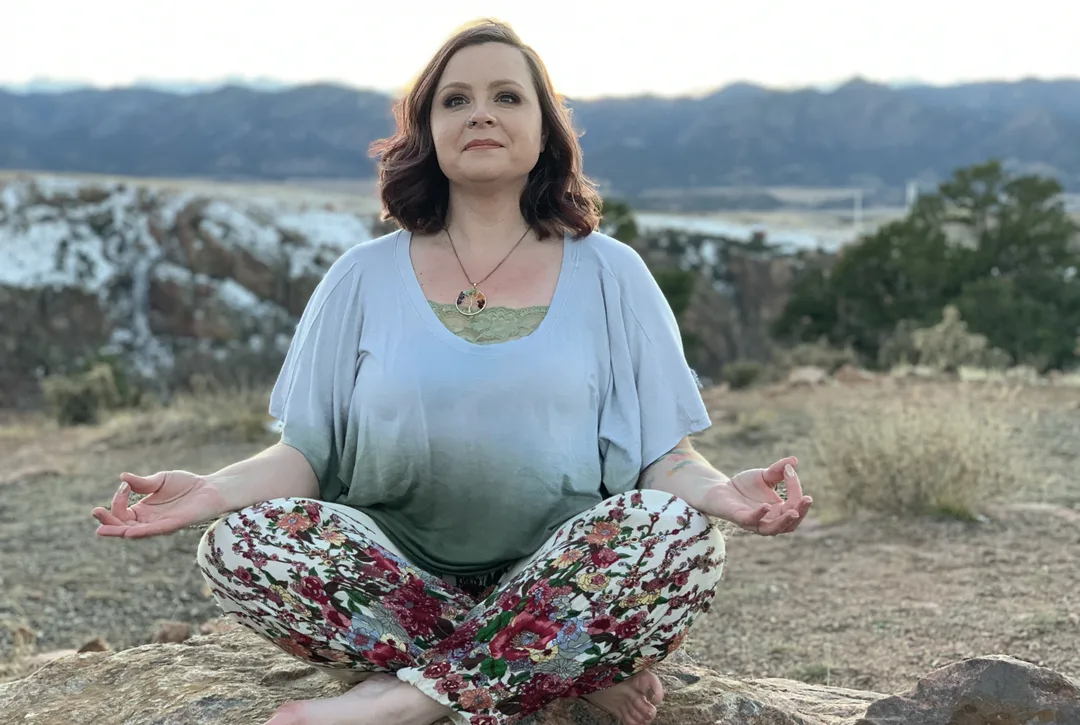
Roots to Rise is a solo telehealth therapy practice serving women and girls 16 and older throughout Colorado. It was founded in 2026 by Tansey Kurth, a licensed clinical social worker, and it is built around one idea borrowed from yoga. Before anything can rise, it has to root.

That is not a slogan about patience. It is how the work is sequenced. We tend the ground under your feet before we ask you to grow, and we treat that pacing as the work itself rather than as something to get through on the way to the real thing.

The practice is small on purpose. A low caseload means nobody is squeezed into a gap in an overloaded schedule, and no session is rushed to make the numbers work. It also means we can offer the slower, deeper kind of work a high-volume practice cannot afford to.

Every session is held by secure video. We are based in Cañon City, and because the work happens on a screen rather than in a waiting room, we can reach women in Colorado communities where the nearest therapist is hours away, or where seeing a local provider would cost more privacy than they are willing to spend.

Who This Practice Is For

Fit Matters More Than Volume

Most of the women who find us are tired of contorting themselves to fit spaces that were never built for them.

  • The Exhausted and Burned Out
    Women carrying chronic stress, depletion, and the particular fatigue that comes from holding everything together for everyone else.

  • Women Examining What They Were Taught
    Anyone looking honestly at the messages she received about her worth, her body, and her obedience, and deciding for herself what she keeps.

  • Neurodivergent Women and Girls
    ADHD, autistic, or still working it out, and looking for a therapist who treats a differently calibrated nervous system as information rather than a defect.

  • Highly Sensitive People
    Women who have spent years being told their sensitivity is a liability.

  • Trauma and Identity Work
    Stored experience that keeps surfacing, a life transition that changed the ground, or the slow work of figuring out who you are underneath what you were told to be.

  • Rural and Underserved Clients
    Women in Colorado communities where the nearest therapist is a long drive, or where privacy is the real cost of getting care.


Where We Are Not the Right Fit

We would rather say this plainly than have you discover it three sessions in. This practice is not built for anyone in acute crisis who needs a higher level of care, and it is not a good match for someone looking only for short-term symptom management with no interest in slower work.

Licensure also limits us to clients who live in Colorado, since where you are sitting is what governs where you can be seen. When we are not the right place, we will help you find one that is.

Meet Tansey Kurth, LCSW

Licensed Clinical Social Worker

Tansey Kurth is the only clinician at Roots to Rise. She is a licensed clinical social worker in Colorado, and she has spent nearly two decades in the mental health field.

Much of that time was spent where care is thin on the ground. She worked with adults managing both mental health and substance use concerns in a rural community, where the nearest specialist often meant a long drive and a longer wait. She spent years as an engagement specialist supporting high-risk young people and the families around them, which is work that teaches you quickly how much of what looks like a symptom is really a circumstance.

That history shaped what this practice does and how it does it. It is why the caseload stays small, why the pacing is slow, and why rural Colorado is not an afterthought here.

Training and Approach

The Tools We Draw From

We match the approach to the person rather than running everyone through the same protocol. These are the ones we draw on most.

  • EMDR
    Eye Movement Desensitization and Reprocessing, a structured approach that uses bilateral stimulation to help the brain process experience that got stuck.

  • TF-CBT
    Trauma-Focused Cognitive Behavioral Therapy, which works on the thoughts and beliefs that formed around what happened.

  • Internal Family Systems and Parts Work
    An approach that treats the conflicting parts of a person as protectors with reasons, rather than as problems to override.

  • Somatic and Mindfulness-Based Practices
    Body-based work, because a nervous system does not respond to being reasoned with.

  • Shame Resilience and Self-Compassion
    Noticing shame as it arrives, naming where it came from, and loosening its grip.

  • A Deconstructing and Decolonizing Lens
    Two words that sound academic and mean something simple. We look at where a belief came from and who benefited from you holding it, instead of treating every inherited story as a personal failing.

All of it is trauma-informed and person-centered, and all of it is affirming of neurodivergent and highly sensitive clients, whose nervous systems we understand as differently calibrated rather than disordered.

How We Work

The Roots to Rise Framework

The work here moves through five phases, mapped onto the life of a tree. It is not a checklist and it is not a straight line. A woman may tend roots and reach toward canopy in the same season. But it describes how this work tends to unfold when it is allowed to move at its own pace.

  • The Roots, Grounding and Safety
    Nervous system regulation, somatic orientation, and the felt safety everything else depends on. Nothing moves forward until the ground will hold it.

  • The Trunk, Witness and Deconstruct
    Examining the stories you were handed about your worth, your body, and your place in the world. Deconstruction here means taking a belief apart to see where it came from, then deciding for yourself whether to keep it.

  • The Branches, Process and Integrate
    Reaching toward stored experience and completing it rather than rehearsing it. Trauma processing and parts work live here.

  • The Canopy, Reclaim and Rise
    Reclaiming the appetite, voice, boundaries, rest, and desire that were trained out of you somewhere along the way.

  • The Fruit, Liberation in Motion
    Carrying the work into ordinary days, with a practice you author yourself and keep long after our work together ends.

We do not put a timeline on any of it. Some phases take a few sessions and some take considerably longer. Going back to tend the roots partway through is not a setback either. Usually it means the work is going somewhere real.

Moksha

A Direction, Not a Destination

Moksha is a Sanskrit word for liberation. In this practice it means freedom from the cycles of conditioning and shame that keep a person small and contracted.

It is a direction, not a religious requirement. Nothing here asks you to hold a particular belief, take up a practice, or adopt a spiritual framework you did not walk in with. Moksha simply gives every session one question to work from. What would it feel like to be free, rather than fixed.

That distinction carries the whole practice. Fixed assumes something about you is broken. Free assumes something about you was contained, and asks what happens when it is not.

Therapy Across Colorado

Care That Does Not Depend on the Drive

Roots to Rise is based in Cañon City, and because every session is held by video, where you live does not decide whether you can be seen. We work with women and girls 16 and older throughout Colorado.

Therapy in Cañon City and Fremont County

This is home. The practice is based in Cañon City, and our referral relationships across Fremont County run back more than a decade. If you are in Cañon City, Florence, Penrose, Cotopaxi, or the communities along the Arkansas River, we are local to you, and you still never have to drive to an appointment.

Therapy in Southern and Rural Colorado

Rural Colorado is the priority here, not an afterthought. In much of the state a therapist means an hour in the car each way, a wait list, or a provider who knows half the people you know. We work with women in Pueblo, Salida, Buena Vista, Westcliffe, Woodland Park, Trinidad, La Junta, Alamosa, and across the San Luis Valley.

Therapy Anywhere Else in Colorado

Video removes distance as a factor, so the rest of the state is open too. Colorado Springs, the Denver metro, Fort Collins, Grand Junction, Durango, and the Western Slope. Wherever you are sitting, the session looks the same.

Licensure sets one limit. We can work with you as long as you are physically located in Colorado at the time of your session, which is a rule about where you are sitting rather than where we are. Beyond that, distance is not a factor.

0
0
0
0
In Their Words

What people say about the work.

This is a great company!

Joe M. Cañon City, Colorado

No hassle service and no stress! They came in and fixed our sink and toilet and were out in a jiffy! They cleaned everything up, too!

Jeremy T. Cañon City, Colorado

They were quick to schedule my appointment for that afternoon, came out, fixed the problem for a VERY reasonable fee. I had him check the plumbing in my house and was relieved when he said all was good.

Sally Q. Cañon City, Colorado

You do not have to be in crisis to belong here.

Let's start with a conversation.